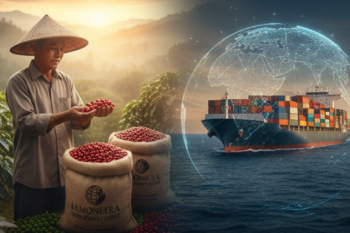
Across kitchens, restaurants, and food industries around the world, spices play a quiet but powerful role.
A pinch of cinnamon.
A touch of nutmeg.
A hint of clove or turmeric.
Simple ingredients that shape flavor, culture, and tradition.
But behind the aroma and taste lies a reality many buyers and consumers rarely see.
Growing spices can be relatively easy in tropical regions.
Standardizing them for international trade is not.
And this is where the real challenge begins.
The Global Demand for Spices Continues to Rise
Spices are no longer used only for traditional cooking.
Today they are essential for:
• Food manufacturing
• Beverage products
• Health and wellness industries
• Functional foods
• Restaurants and hospitality sectors
As global demand grows, importers are no longer looking only for availability.
They are looking for consistency.
Because in professional food production, variation creates risk.
Why Standardization Is Difficult
Unlike manufactured goods, spices are agricultural products.
Their quality depends on many natural factors:
• Climate
• Soil condition
• Harvest timing
• Post-harvest handling
• Drying methods
• Storage systems
Without proper control, every harvest can produce different results.
This is why standardization becomes critical.
And difficult.
The Three Critical Factors in Spice Export
For international spice trade, three elements determine whether a shipment is accepted or rejected.
1. Moisture Content
Moisture is one of the most important quality indicators.
If moisture levels are too high, spices can develop:
• Mold
• Bacterial contamination
• Shorter shelf life
Many international buyers set strict moisture standards to protect product safety.
Without proper drying and testing, shipments risk rejection.
2. Grading and Size Uniformity
Buyers expect consistency.
Not just in taste, but also in appearance.
Spice grading ensures:
• Uniform size
• Clean product
• Reduced impurities
• Predictable performance in processing
Without grading systems, every shipment becomes unpredictable.
And unpredictability weakens trust.
3. Sorting and Cleanliness
International markets demand strict cleanliness standards.
Spices must be free from:
• Stones
• Dust
• Foreign materials
• Damaged products
Modern sorting processes help ensure export quality meets global requirements.
Because quality is judged long before the spice reaches the kitchen.
The Cost of Inconsistency
In global trade, a single rejected shipment can have serious consequences:
• Financial losses
• Contract disputes
• Market reputation damage
• Long-term buyer hesitation
For importers, reliability is more valuable than cheap prices.
And for exporters, maintaining consistency is the key to long-term partnerships.
Building Trust Through Quality Systems
At PT Samudra International Commerce, we believe spice trading requires more than sourcing products.
It requires systems.
Our approach focuses on:
• Verified suppliers
• Post-harvest quality handling
• Moisture monitoring
• Standardized grading
• Clean sorting processes
• Export compliance
Because international buyers are not just purchasing spices.
They are purchasing confidence in every shipment.
Quality Builds Long-Term Trade
Spices may start in farms and plantations.
But successful spice trade is built through:
Discipline
Consistency
Transparency
Trust
When quality becomes the standard, trade becomes sustainable.
And partnerships become long term.
From origin to global markets, every detail matters.